
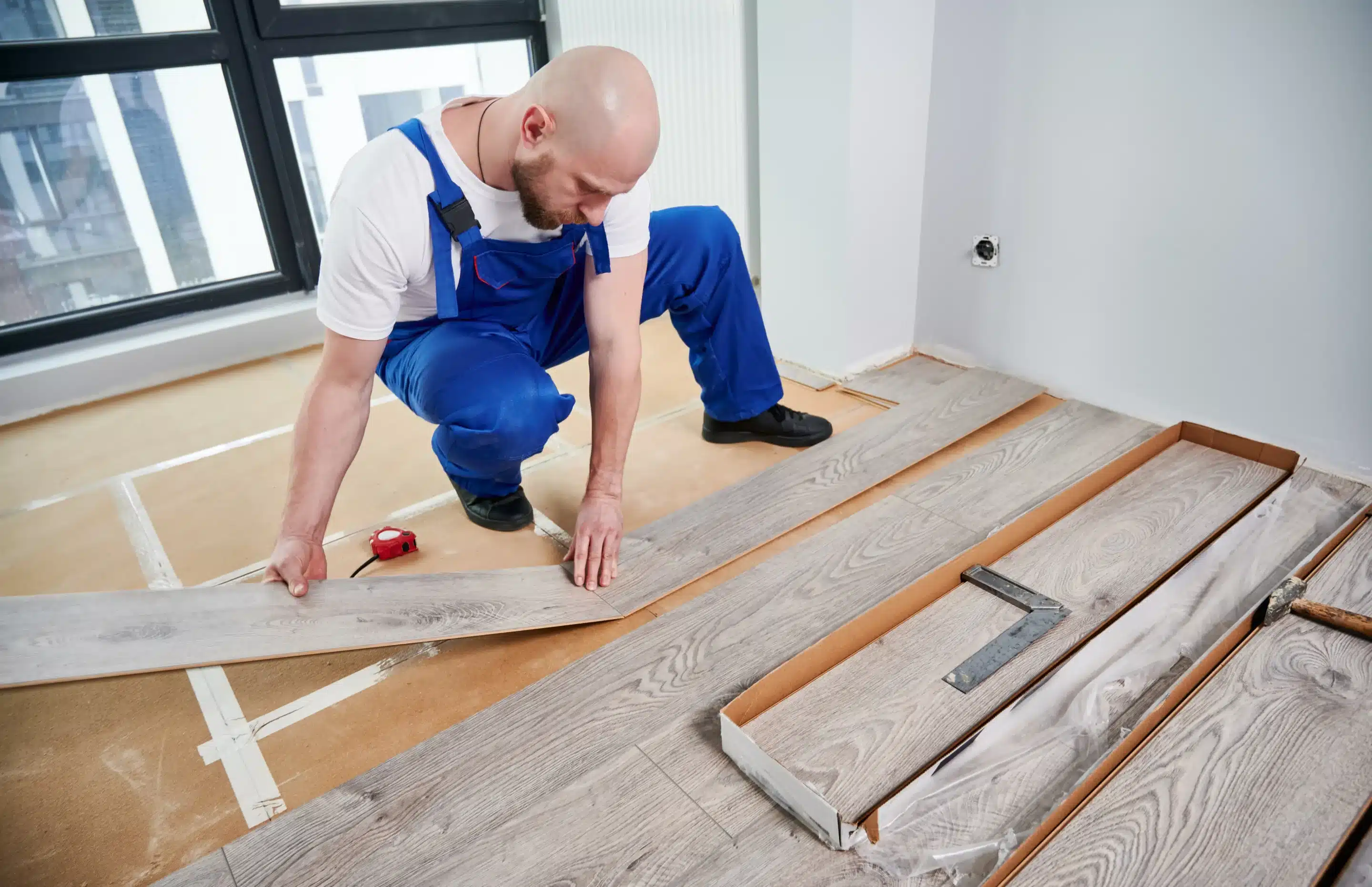
When thinking about new floors for your home, you might hear the term engineered hardwood flooring a lot. But if you are wondering what is engineered hardwood flooring, you’re not alone. Let’s break it down simply. Engineered hardwood looks just like solid hardwood, but it is built in layers to be stronger and more stable.
With engineered hardwood, you can enjoy the look of real wood, like oak, maple, or hickory, without some of the problems that come with traditional solid hardwood floors.
How Engineered Wood Flooring is Made
Understanding what is engineered hardwood flooring and how it’s made can help you see why it is so popular. Here’s how it works:
-
- The top layer is made of real hardwood veneer. This is the wood you actually see.
- Under the top layer are plywood layers. These layers make the floor stable and less prone to warping.
- The layers are glued together to create a strong engineered flooring plank.
This layered design allows engineered hardwood to perform well in areas where solid hardwood may not, such as basements or over concrete floors. It also makes the floor more durable and better able to withstand wear and tear than some traditional wood flooring.
Engineered vs Solid Hardwood Comparison
Many people wonder engineered vs solid hardwood, so here’s a simple comparison:
-
- Durability: Engineered hardwood is less prone to warping, whereas solid hardwood can expand and contract with changes in moisture.
- Installation: Engineered wood can be installed using click-lock, glue-down, or floating methods, while solid hardwood usually requires nails or staples.
- Refinishing: Solid hardwood can be sanded and refinished many times. Engineered hardwood can be refinished only if the top veneer is thick enough.
- Versatility: Engineered hardwood can go over radiant heating and concrete floors, while solid hardwood is more limited.
Benefits of Engineered Hardwood Floors
If you are still wondering which hardwood flooring is best, consider the benefits of engineered hardwood floors:
-
- Durability: The layers make it strong and less prone to damage.
- Moisture resistance: Works well in areas with higher moisture, unlike solid hardwood.
- Easy installation: Many planks click together without nails, saving time and money.
- Looks natural: The real hardwood veneer gives it the authentic look of solid wood.
- Maintenance: Easy to clean and maintain. You can mop gently and use area rugs to protect high-traffic areas.
How Hardwood Flooring is Installed
Many homeowners want to know what is engineered hardwood flooring and how hardwood flooring is installed. With engineered hardwood, there are several simple ways:
-
- Floating floors: Planks lock together without glue or nails and float above the subfloor.
- Glue-down: Planks are glued directly to the subfloor, creating a firm and permanent floor.
- Nail or staple: Some engineered wood planks can be nailed like solid hardwood.
These options make engineered hardwood flexible and suitable for many spaces.
What Hardwood Flooring is Most Durable
If you ask what hardwood flooring is most durable, engineered hardwood is a top choice. The plywood core makes it strong and stable, and the top hardwood veneer protects the floor from wear and tear.
Even though it is not sanded and refinished as often as solid wood, a thick wear layer allows you to refinish it once or twice, extending its life.
Types of Engineered Hardwood
There are many types of engineered hardwood, and the choice depends on the look and durability you want:
-
- Oak: Strong, classic, and works in most homes.
- Maple and Hickory: Harder woods, great for heavy foot traffic.
- Exotic species: Unique looks for a luxurious touch.
- Different plank sizes: Narrow or wide planks for style variation.
- Various finishes: satin, matte, or glossy, for the look you like.
Choosing Engineered Hardwood
Here’s how to choose engineered hardwood for your home:
-
- Think about the room conditions. Basements and high-moisture rooms need engineered wood.
- Check the top layer thickness. Thicker wear layers last longer and can be refinished.
- Pick a wood species that fits your style and durability needs.
- Decide on installation method. Floating floors are easiest, glue-down is permanent, and nail/staple is more traditional.
Why Nadine Floors is the Best Choice
When choosing engineered hardwood flooring, Nadine Floors is the best choice for many reasons:
-
- Offers quality engineered flooring made from real hardwood veneers.
- Experts know how engineered wood flooring is made and can guide your choice.
- Can install engineered hardwood on concrete, basements, or radiant heating.
- Helps you choose engineered hardwood that is durable, stable, and beautiful.
- Guides you on installing hardwood flooring for the best results.
Easy Tips to Care for Engineered Hardwood
Taking care of your engineered hardwood floor is simple:
-
- Sweep or vacuum regularly to remove debris that can scratch the floor.
- Mop lightly and avoid soaking the floor with water.
- Place area rugs in high-traffic areas to reduce wear and tear.
- Avoid harsh cleaners that damage the wood layer.
- Only refinish when needed, depending on the wear layer thickness.
Proper care keeps your engineered flooring looking like real wood for many years.

Why Engineered Hardwood is a Smart Investment
Choosing engineered hardwood flooring is a smart choice because:
-
- It gives the natural look of real wood.
- It is durable and stable, handling moisture and heavy traffic well.
- It is versatile, suitable for basements, concrete floors, and heated spaces.
- It is easy to install and maintain, saving time and money.
- It adds resale value to your home.
So, if you ask what is engineered hardwood flooring? You get a floor that looks like solid wood but is stronger, easier to install, and designed to last. Try it now with Nadine Floors!
FAQs
Can engineered hardwood go over concrete or in basements?
Yes, it works well on concrete and in basements because it is more stable than solid wood.
How long does engineered hardwood last?
With proper care, it can last 20 to 30 years or more.
Can you sand and refinish engineered hardwood?
Sometimes yes, but only if the top layer is thick enough.
Is engineered hardwood easy to install?
Yes, many planks snap together or can be glued or nailed, making them easier to install than solid hardwood.
Can it handle heavy use and foot traffic?
Yes, it is strong enough for daily use and heavy traffic, but deep scratches are harder to fix.
Curious about what is engineered hardwood flooring and how it can transform your home? Discover the beauty, durability, and versatility of engineered hardwood with Nadine Floors. Contact us today at (469) 666-4530.
Also read:
Which Kitchen Cabinets Are Best Quality
Natural Stone Flooring Installation: Install Stone Tiles with Nadine Floors
Nadine Floors’ Picks: Stylish, Affordable Vinyl Plank Flooring Plano