

Carpet
Carpet Flooring & Installation
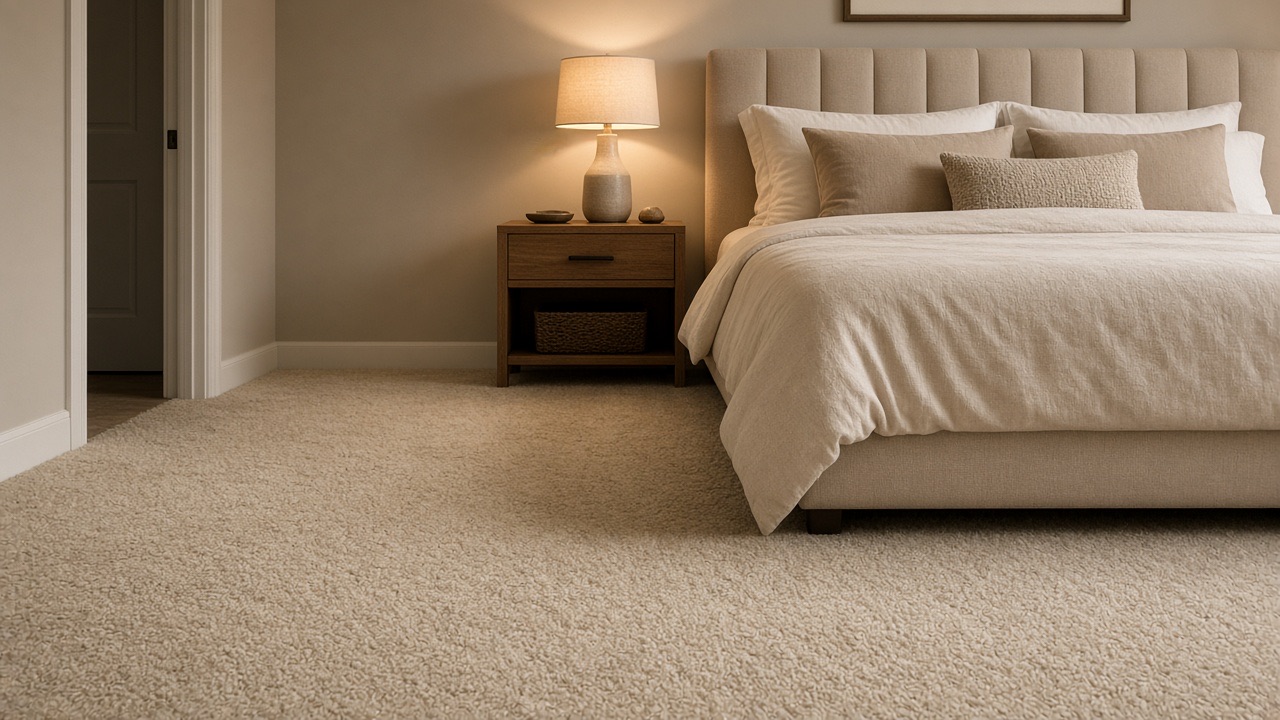
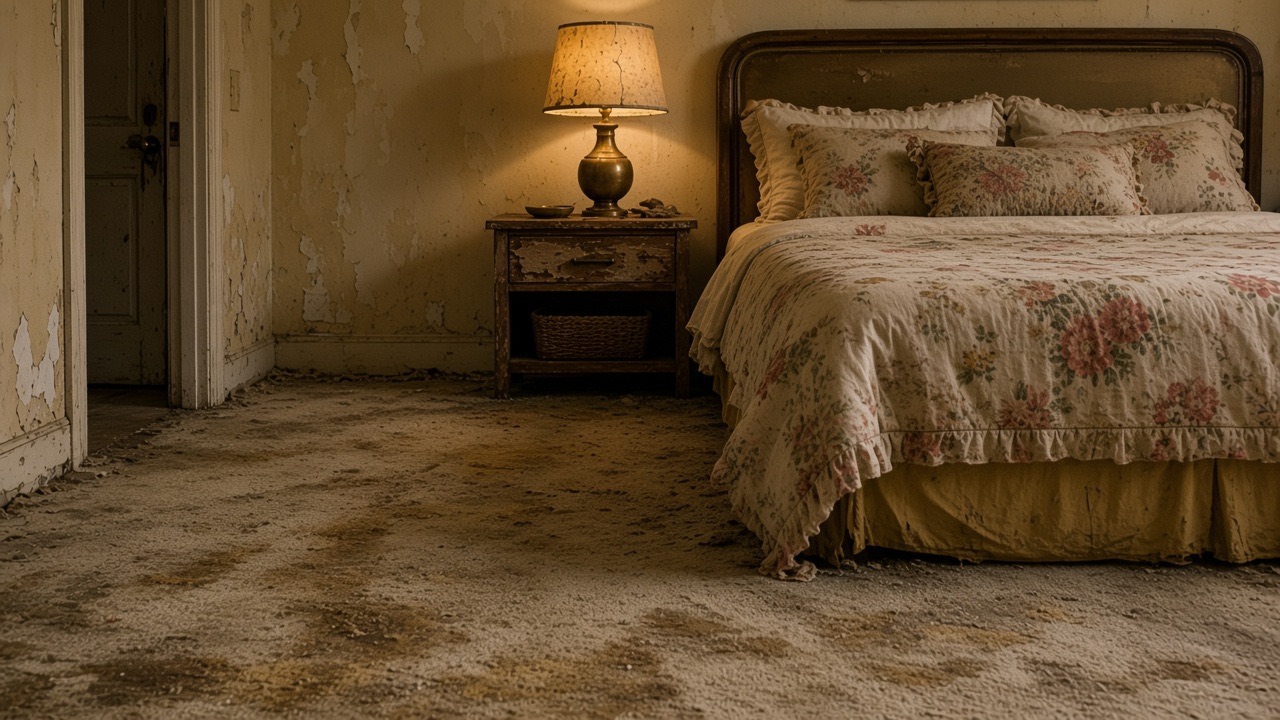
Carpet
Deciding between wall-to-wall carpet or an area rug? Designers at all three locations can help you choose.
We have everything from plush pile to Berber. Prices range from about $1.99 installed including pad per square foot to high-end carpet around $7.99 a square foot. Commercial carpet is also available.
- Plush to BerberWide selection
- Custom area rugsAny size or shape
- Pro installNeat seams
Details
About our Carpet
Allow us to help you choose the best carpet, arrange installation, and offer competitive pricing that covers the project from start to finish. Consult a representative or call to schedule a measurement.
Area rugs can refresh a room from the ground up. Our huge selection of colors, styles, and materials, plus the ability to turn many of them into a rug of any size or shape, makes matching your décor easier than you might expect.
Professional carpet installation ensures correct measurements and prevents unraveling corners or awkward transitions. Our crews keep the process streamlined and your home clean.
The fiber in a carpet affects how it feels, how it wears, and how it cleans. Nylon is known for resilience and durability, which suits busy family rooms and stairs. Polyester feels soft and offers vivid color, though it can flatten sooner in heavy traffic. Wool is a natural fiber with a premium look and feel. Olefin is often used in loop styles and basements for its resistance to moisture. A representative can explain how each fiber behaves in real homes so you can match the carpet to the room.
Pile style changes the look as much as color does. Cut pile styles such as plush, textured, and frieze feel soft underfoot and are popular in bedrooms and living rooms. Loop pile, including Berber, has a tighter, more casual look and tends to hold up well in hallways and active spaces. Patterned cut-and-loop carpets can hide footprints and vacuum marks. Run your hand across samples and look at them standing up, because a carpet can look very different in a small swatch than across a whole room.
Quality is more than price. Ask about face weight, density, and twist, which describe how much fiber is in the carpet and how tightly it is built. Denser carpets generally resist crushing better than thin, loosely packed ones. The pad under the carpet matters just as much. A good pad adds cushion, supports the carpet backing, and helps the carpet last longer. Many installers recommend a pad that is neither too soft nor too thick, so ask which pad fits the carpet you choose.
Color and pattern are practical decisions. Lighter colors can brighten a room but show dirt sooner, while medium tones and subtle patterns tend to hide everyday traffic. Lighting changes everything, so take samples home and view them morning and evening, next to your paint and furniture. If you have pets or young children, ask about stain and soil protection, and choose a style that is easy to vacuum. Matching the carpet to your lifestyle prevents regret more than chasing a trend.
Professional installation protects your investment. The crew measures the room, removes the old carpet and pad, checks the subfloor, and installs tack strips and new pad. The new carpet is cut, seamed, and stretched tight with a power stretcher so it will not ripple. Seams are placed away from the main traffic path whenever possible, and transitions are fitted at doorways and where carpet meets other floors. Ask who moves furniture and how old materials are removed so there are no surprises on installation day.
Stairs and bedrooms deserve extra planning. Carpet on stairs is secured and wrapped around each step, and the pattern and pile should be chosen with safety and wear in mind. Bedrooms are a natural place for plush, soft carpet, since you are often barefoot and want warmth and quiet. Closets are easy to overlook, so decide whether they will match the room or use a separate remnant. Measuring every area up front gives you a more accurate quote and reduces last-minute changes.
Area rugs offer a flexible way to change a room without replacing the whole floor. A rug defines a seating group, softens hard floors, and adds color or pattern. Size matters: in a living room, at least the front legs of the main furniture should rest on the rug, and in a dining room the rug should extend past the chairs when they are pulled out. A rug pad prevents slipping and protects the floor underneath. Custom sizes, shapes, and bound edges let you fit awkward spaces more easily.
Good care keeps carpet looking newer for longer. Vacuum regularly, more often in high-traffic paths, and blot spills right away instead of rubbing. Rotate furniture occasionally so wear is spread out, and use mats at entries to catch grit. Professional deep cleaning at the interval your warranty recommends removes embedded soil that a household vacuum cannot reach. Keep your purchase paperwork and care instructions, since manufacturer warranties often depend on following them.
When you are ready to compare, visit a showroom with room measurements, photos, and an idea of your budget. Our carpet pricing covers a wide range, from about $1.99 per square foot installed with pad up to high-end carpet near $7.99 per square foot, so you can see where your priorities fit. Ask for an installed total that includes pad, labor, trim, and removal, so you can compare options on the same basis and choose with confidence.
FAQ
Frequently Asked Questions
Helpful answers about carpet, pads, and custom area rugs.
What are the advantages of carpet over area rugs?
Carpet offers wall-to-wall warmth, comfort, and a wide range of styles, ideal for bedrooms and living rooms where you want a plush feel.
Can I customize the size and shape of an area rug?
Yes. We specialize in customized area rugs to fit your space and style.
How can I pick the best carpet for my room?
Our representatives help you select fiber, pile, and color for traffic, pets, and décor.
Is professional installation necessary?
It is recommended for precise measurements, proper stretch, and clean transitions.
What is the price range for area rugs?
Prices vary by size, material, and customization. Our stores offer options for many budgets.
Which carpet fiber is the most durable?
Nylon is widely used for its durability and resilience, which suits busy rooms and stairs. Polyester is soft and colorful, and wool is a premium natural option.
What is Berber carpet?
Berber describes a loop pile construction with a casual, textured look. It is often chosen for hallways and active spaces.
Does the carpet pad really matter?
Yes. The pad adds comfort, supports the carpet backing, and helps the carpet wear longer. Ask which pad is recommended for the carpet you choose.
How often should carpet be professionally cleaned?
Many manufacturers recommend deep cleaning on a regular schedule, often every twelve to eighteen months. Check your warranty for the exact requirement.
How large should an area rug be?
In a living room, aim for at least the front legs of the main furniture to rest on the rug. In a dining room, the rug should extend past the chairs when they are pulled out.