

Wood Flooring
Solid & Engineered Wood Flooring
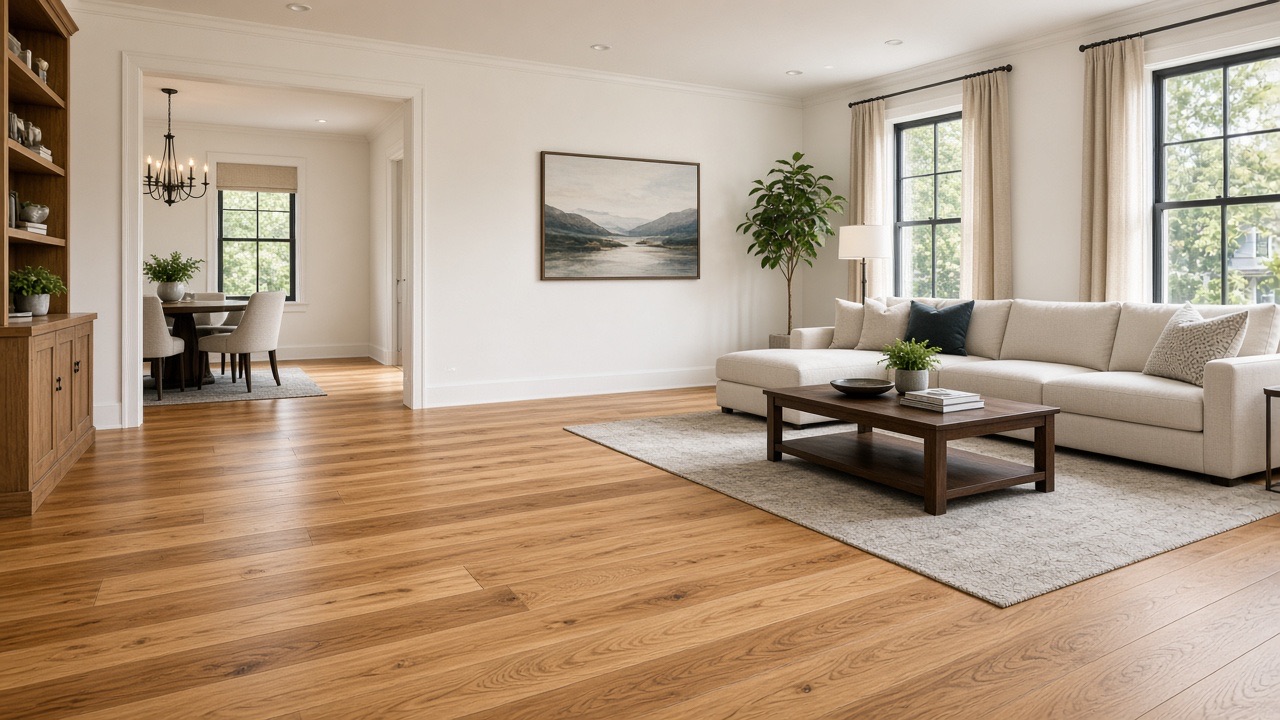
Wood Flooring
Add classic style, elegance, and warmth with solid wood, custom finishes, and engineered hardwood from Nadine Floor Company.
If you are looking to add classic style and warmth to your home, our wood flooring specialists can help you choose the perfect option. Hardwood choices include prefinished solid, site-finished solid, and engineered wood in species like bamboo, birch, cherry, hickory, walnut, oak, and maple.
- Solid & engineeredReal wood options
- Custom finishesSite-finished color
- Expert installationClean crews
Details
About our Wood Flooring
Prefinished solid hardwoods are available in different thicknesses: 3/4 inch is standard, with thinner products from about 5/16 to 1/2 inch. Prefinished wood can be refinished, though refinishing may void the manufacturer warranty.
Solid wood finished on site is also available in similar thicknesses. These floors usually do not carry a finish warranty and can be refinished when worn; you may also change color or sheen when you refinish.
Engineered wood flooring is real wood from top to bottom; it is not laminate. Laminate is melamine-infused paper over a wood-chip composite. Engineered options include hickory, oak, maple, and more, typically with a factory-finished wear layer so you can walk on the floor soon after install.
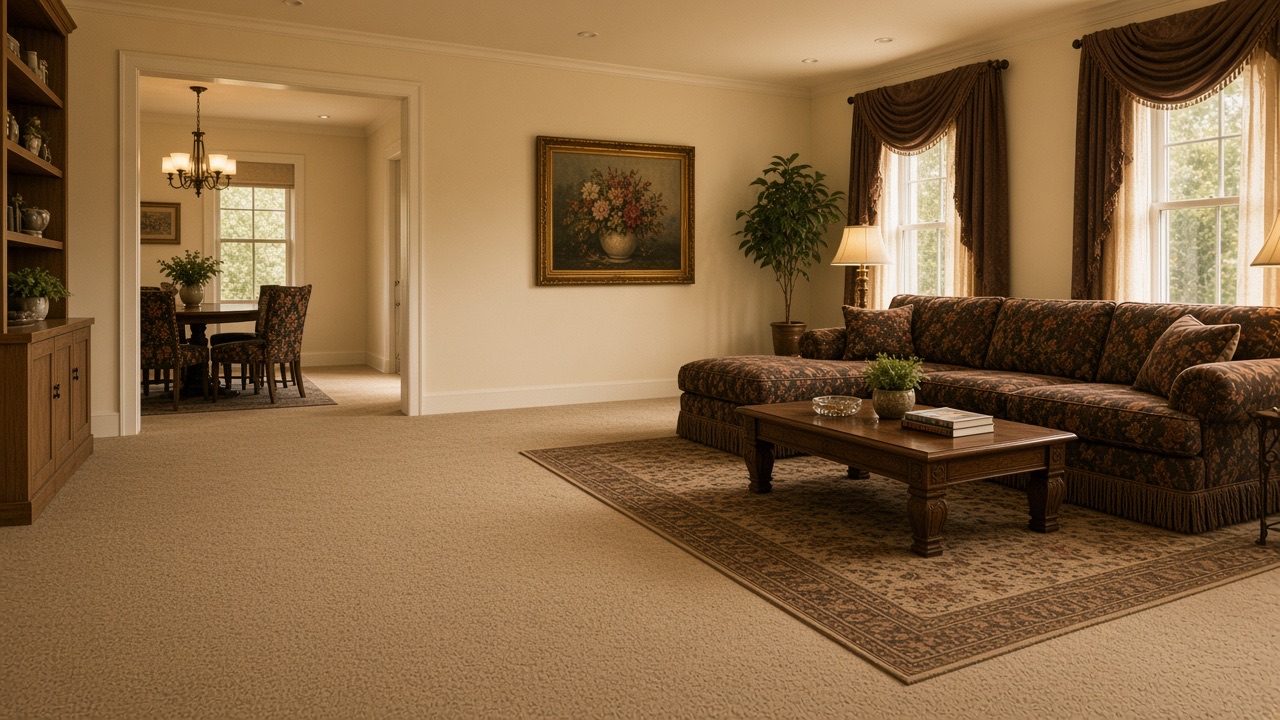
Compared with carpet, hardwood floors are easy to keep clean and are hypoallergenic. Our installers are prompt, efficient, and careful. They keep you informed through each step and leave your home clean.
Solid and engineered wood each have a place in a home, and the right choice usually starts with what is under the floor. Solid planks are milled from a single piece of lumber and are traditionally nailed down to a wood subfloor. Engineered planks have a real wood top layer over a stable plywood or composite core, which lets them be glued or floated over concrete slabs and many other surfaces. Because many North Texas homes sit on slab foundations, engineered wood is often the easier fit for ground-level rooms, while solid wood remains a classic choice where the subfloor allows it.
Before any plank goes down, the room has to be ready. Installers check that the subfloor is flat, clean, dry, and structurally sound, and they test moisture where it matters, especially on concrete. Wood is a natural material that swells and shrinks with humidity, so planks are usually left in the home to adjust to indoor conditions before installation, following the manufacturer instructions for that product. Skipping this step is one of the most common reasons wood floors gap, cup, or buckle later, so it is worth asking about during your estimate.
Species changes both the look and the way a floor wears. Oak is a popular all-around choice with a recognizable grain and a wide range of stain colors. Hickory is harder and shows dramatic variation from board to board. Maple is smooth and light with a fine grain. Walnut and cherry are softer and prized for rich color that deepens over time. Harder species tend to resist dents better, while softer ones can add character as they age. Bring photos of your furniture and rooms so a designer can help you compare options against how your household actually lives.
Plank width, grade, and cut shape the finished look as much as color does. Narrow strips feel traditional, while wider planks make a room feel open and modern. Higher grades have a cleaner, more uniform face, and more rustic grades keep knots, mineral streaks, and color swings that hide wear well. Plain-sawn boards show cathedral grain, and rift or quartered cuts give a straighter, more even pattern. None of these is better in every home; the goal is a floor you will still like in ten years.
Finish matters as much as the wood. Prefinished floors are sanded, stained, and sealed at the factory, so you can walk on them as soon as they are installed. Site-finished floors are installed raw, then sanded and finished in your home, which allows custom stain colors and a seamless surface across boards. Matte and satin sheens tend to hide scratches and dust better than high gloss. Ask to see finish samples on the same species you plan to use, because stain looks different on every kind of wood and in every kind of light.
There are three common installation methods. Nail-down or staple-down installation fastens planks to a wood subfloor. Glue-down installation bonds planks to the subfloor with adhesive and is common for engineered products and slabs. Floating installation locks or glues planks to each other without attaching them to the subfloor. Each method needs an expansion gap at the walls, covered by baseboard or trim, and each needs the right underlayment and transitions at doorways. Stairs, vents, and cabinet toe kicks are worth planning in advance so the finished floor looks intentional.
Daily care is simple. Sweep or dust mop to remove grit, which acts like sandpaper under foot traffic, and use a cleaner approved for your floor finish. Avoid soaking the floor with water, wipe up spills promptly, and place felt pads under furniture legs and mats at entries. Keeping indoor humidity in a steady range helps wood stay stable through hot summers and dry winters. Over time, a solid floor can usually be sanded and refinished more than once, while the number of refinishes on engineered wood depends on the thickness of its wear layer.
Wood is not right for every room. Kitchens and entries can work well with careful maintenance, but bathrooms, laundry rooms, and basements with moisture problems are better served by tile or water-resistant vinyl. If you are weighing wood against other materials, the showroom is the easiest place to compare them side by side. Bring room measurements, photos, and any inspiration pictures. Seeing samples in your own light, next to your paint and cabinet colors, prevents surprises and makes it easier to plan a quote that covers materials, installation, and trim.
FAQ
Frequently Asked Questions
Answers about solid, prefinished, and engineered wood floors.
What types of wood floors are there?
You can choose from solid wood, prefinished solid, or engineered wood.
What is the difference between prefinished and site-finished?
Prefinished arrives ready to install. Site-finished is sanded and finished in your home so you can customize color and sheen.
Is engineered wood real wood?
Yes. Engineered wood has real wood layers. Laminate is not real wood.
Why choose hardwood floors?
They are easy to clean, strong, hypoallergenic, and can often be refinished if scratched.
Do you install the floors too?
Yes. We install and clean up after the job.
Should I choose solid or engineered wood for a concrete slab?
Engineered wood is usually the easier choice over concrete because it can be glued or floated. Solid wood is typically installed over a wood subfloor. A moisture test and a flat subfloor matter for either one.
Do wood floors need time to adjust before installation?
Most manufacturers recommend letting planks adjust to the indoor temperature and humidity of the home before installing. Your installer can tell you what applies to the product you choose.
Can solid hardwood be refinished?
Yes. Solid hardwood can usually be sanded and refinished several times over its life, and you can change the stain color or sheen when you do. Engineered wood depends on the thickness of its top layer.
Which finish hides scratches best?
Matte and satin finishes tend to hide dust and light scratches better than high gloss. Medium tones and more textured or rustic grades also hide everyday wear well.
Can I put hardwood in a kitchen?
Many homeowners do, with prompt spill cleanup and good floor mats near the sink. Bathrooms and other consistently wet areas are better suited to tile or water-resistant vinyl.