

Granite
Granite Countertops & Surfaces
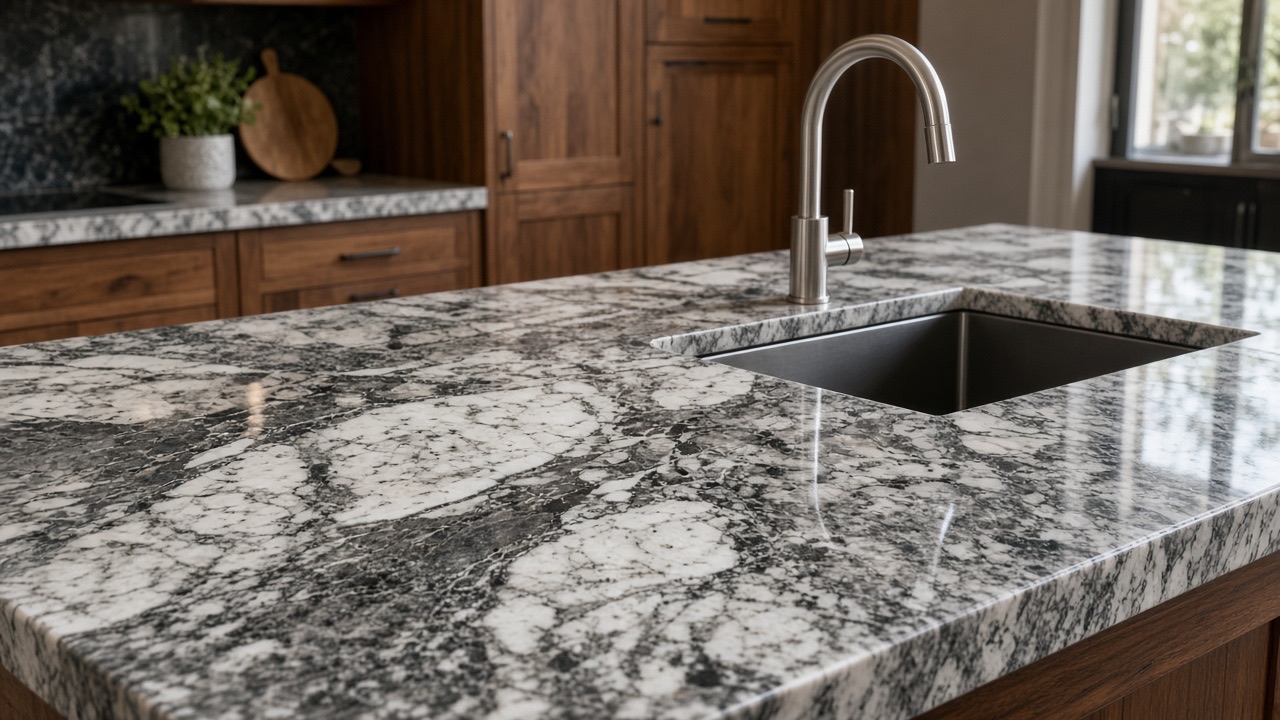
Granite
Granite still earns a place in kitchens and baths when you want a stone surface that handles heat and daily use.
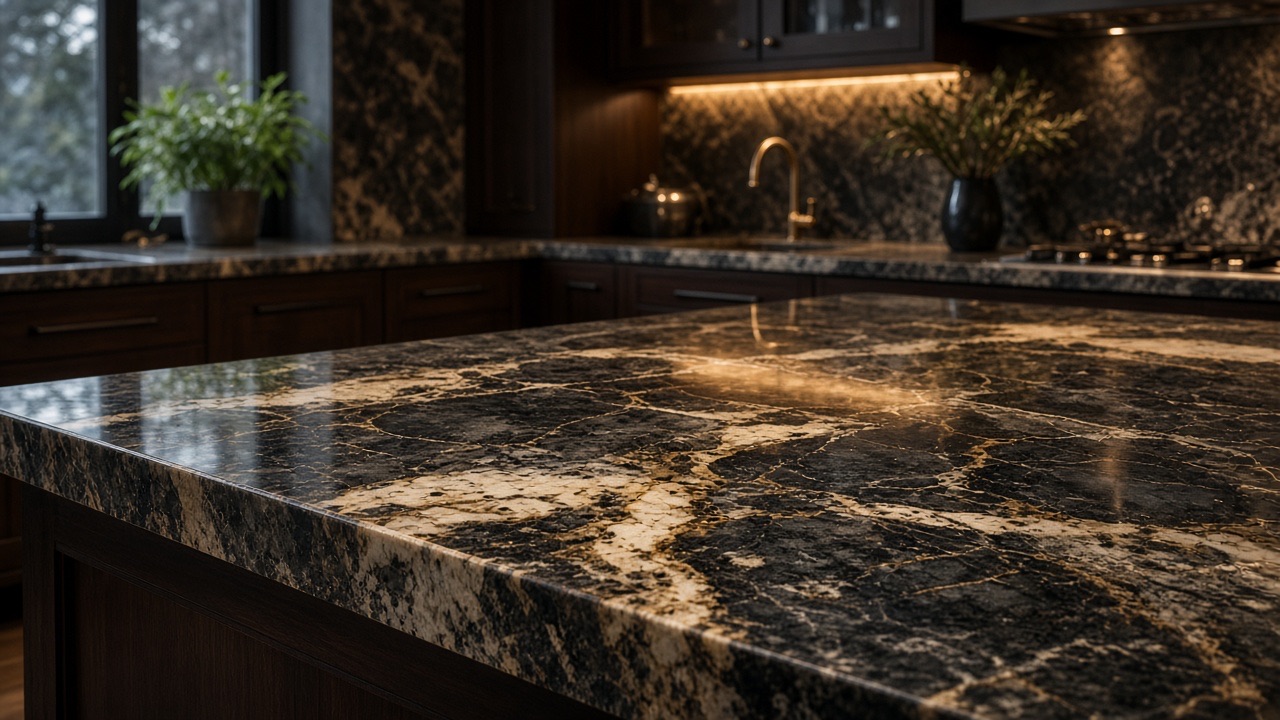
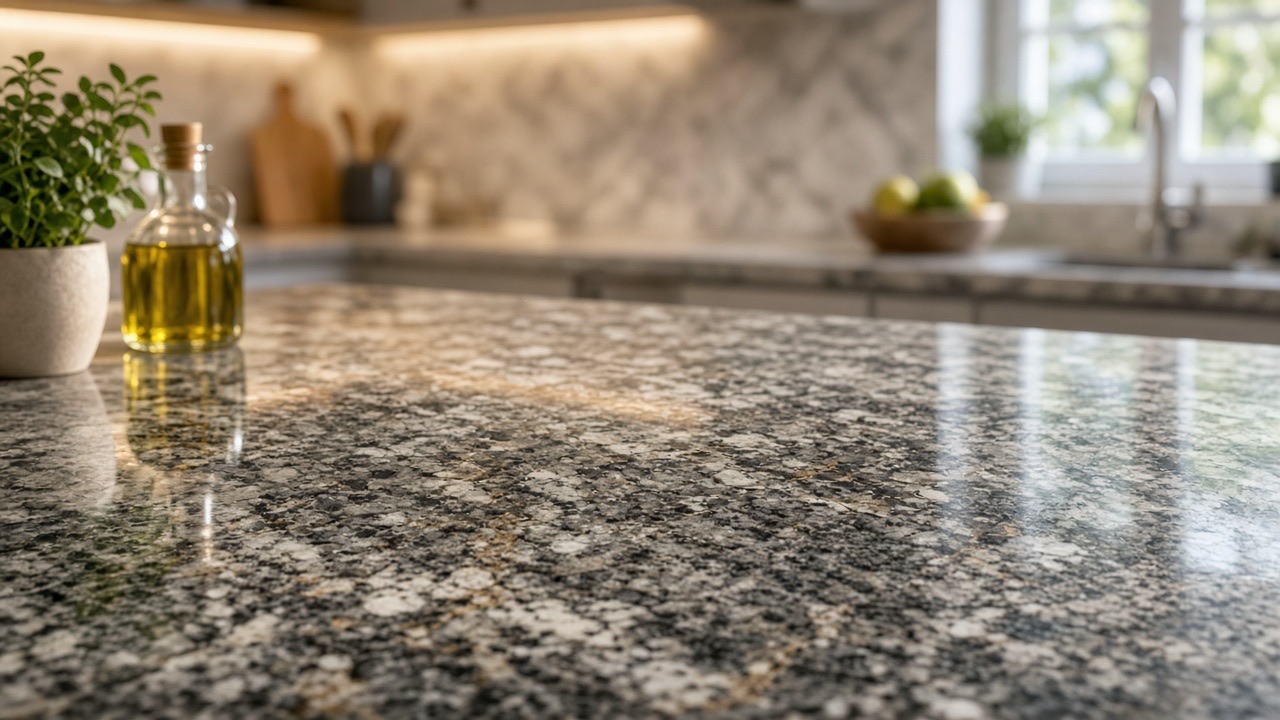
Color and pattern vary by slab, so picking from a photo alone is risky. View the actual piece under your lighting when you can. Edge profiles, sink cutouts, and seam placement matter as much as the stone name on the tag.
- Kitchen & bathCounters & vanities
- View real slabsNot just photos
- Sink cutoutsTemplated install
Details
About our Granite
We offer top-quality products and installation for kitchen countertops, bathroom vanities, and bar areas. Ask our sales representatives about specials on sinks.
Ask how the fabricator templates, seals, and installs. Seams should land where they are less visible and structurally sound. If you are remodeling cabinets or floors at the same time, plan sequencing so countertop crews are not working around unfinished trades.
Bring cabinet door samples, sink model notes, and photos of the room. Measure overhangs and appliance clearances before you fall in love with a busy pattern that fights the space.
Sealing and everyday care matter as much as the slab you pick. Ask which cleaners are safe for your finish and how often resealing is recommended for your kitchen or bath use.
When floors are changing in the same project, plan cabinet height, appliance specs, and flooring thickness together so transitions stay clean and toe-kicks line up.
FAQ
Frequently Asked Questions
Natural stone and granite countertop questions from our sitewide FAQ.
What types of natural stone are there?
The basic types are travertine, marble, granite, and slate. Any of these can take a lot of abuse and last many years. Marble and travertine take a little more maintenance and care. Your lifestyle and home design will determine which fits your house.
Do natural stones require sealing?
All stones need to be sealed. Marble, travertine, and other soft stones must be kept well sealed or they may stain. Use a sealer made for natural stone. Granite is extremely hard and naturally resistant to stains, but polished stones are still porous and should be sealed with a penetrating sealer.
Are certain stones more practical for kitchen counters?
We suggest granite for its ability to stand up to acid, heat, and daily use. Lemon and other citric acids will not harm granite, but they can etch marble or travertine. Heat can also damage marble and travertine.
If my stone has a polished finish, does it still need to be sealed?
Yes. Most marble, granite, travertine, and slate with a factory polished finish are still porous and subject to staining. They should be sealed with a penetrating-type sealer.
What is the difference between ceramic and porcelain tile?
Ceramic tiles are typically made from red clay baked at high temperature with a glaze on top; only the glazed surface resists water and stains. Porcelain uses finer clay compressed at high pressure and baked hotter, so the entire body resists water and stains and can be used outdoors.
Granite Counters
PICK THE SLAB YOU WILL LIVE WITH.
Schedule a showroom visit to compare slabs, edges, and sink options for your kitchen or bath.